

Food & Wine Pairing 101
We have all been there – you’re sitting down to a nice dinner, whether at home or at a restaurant, and you’re trying to decide what wine to have with your meal. There are some classic pairings we all know (Steak with Malbec, anyone?!). But why do these work? And are they the only - or even the best - option?
In my experience, wine lovers tend also to be foodies, but how do we best marry up these two passions? A good wine pairing should go beyond making sure you have an enjoyable bottle: it should enhance your enjoyment of both the wine and the food. Ideally, alternating mouthfuls and sips should become so natural that you empty both your plate and your glass at the same time!

Rules of Thumb
In general, with wine pairing we are looking to find a wine that either complements or contrasts with the food it’s accompanying. One well-known “rule of thumb” is that pairing wine from the same country as the food often creates a good pairing; although this is not always the case, a nation’s cuisine and winemaking often evolved together and likely pair fairly well.
Another shortcut is matching wine tasting notes to food components: a herbaceous wine would be a great pairing for a dish flavoured with fresh herbs. Or look for flavours that complement each other (e.g., cranberry with turkey).
Pairing Principles
Whilst it can be quite complicated to find the ‘perfect’ pairing, this guide will take you through how the main characteristics of food can improve (or clash with) a wine pairing. In practice, there are several food components that are the major influence on our perception of wine. Some elements are very wine-friendly, such as salt, whilst others, like chilli heat, can result in a detrimental effect on the wine. Having a grasp of these fundamental food elements will help nudge you in the right direction.
However, as so much of wine enjoyment is a matter of individual taste, there is no ‘right answer’ to pairing wine. By far the most important factor is finding a wine that suits your personal preferences – if you want to drink Sauvignon Blanc with your steak then you should!
'Wine-Friendly' Elements
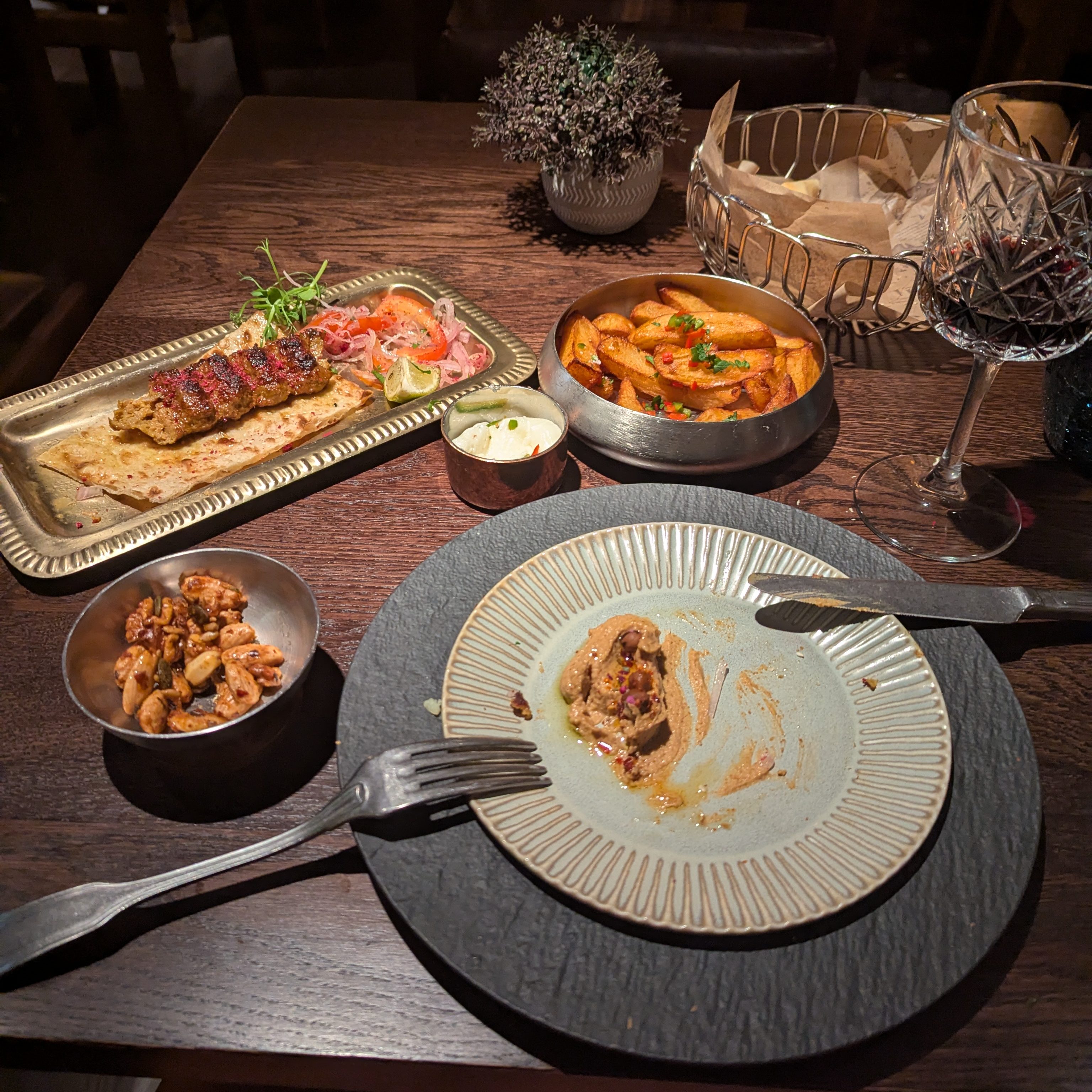
Salt is present in most foods and is great for pairing. It makes both red and white wines feel more full-bodied and richer, and enhances intensity of flavour (particularly fruit characters). Even something as simple as a bowl of salted almonds can immediately bring out so much more from a light white wine!
Acid in food acts to reduce the acidity in wine. A higher-acid wine, such as a dry Riesling or a Beaujolais, will feel more fruity and easy-drinking if you pair it with an acidic vinaigrette, for example. Conversely if you have a lower-acid wine, such as a Viognier or Malbec, it can feel a bit ‘flat’ or oily when drunk alongside acidic food.
Fat interacts differently with white and red wines. For red wines, high fat content foods soften the drying feeling of tannins - this being a key reason why cheese works so well with rich reds (or even the classic steak/Malbec combination)! With white wines, or a light red like Beaujolais, fat can also help soften high acidity, and the wine may seem to ‘cut through’ otherwise overly-creamy flavours and textures.
‘Wine-Unfriendly’ Elements
Chilli (heat) can require careful pairing; it enhances both the alcohol ‘burn’ and drying effect of tannins in wine. High-tannin red wines should be avoided in favour of lighter, fruity reds (preferably lower alcohol). Aromatic white wines like Sauvignon Blanc, Riesling and Gewürztraminer typically pair well with spicy food, especially if they are slightly sweet – sugar helps dampen the effects of chilli.
Sugar in food can result in a tricky wine pairing. Sweet foods will naturally make any paired wine taste less sweet, more bitter and more tannic/drying (in the case of a red wine). If sweetness is the dominant flavour (e.g., desserts), the easy choice is to match with a sweeter wine. If you’re pairing with a savoury dish that has strong sweet elements (e.g., caramelised onions, roasted red peppers or dried fruit) then it’s often a good idea to opt for a more fruity wine; the level of salt, acid and fat, and overall richness of the dish can help you decide how rich a style of wine will work.
Umami is another tricky customer. It’s often hard to spot – the usual suspects are soy sauce and mushrooms, but is found in some dark meats (e.g., game) and often in cured meats. Umami can act similarly to sugar, dampening flavour and making wines taste more bitter. For foods high in umami, picking a light red, a rosé or a punchy white wine is usually a good idea. Pinot Noir and mushroom is a match made in heaven!
Keep an eye on our Instagram page for regular food and wine pairing suggestions!